


As a professional chemical company, we possess our own laboratories and factories, ensuring a consistent supply and stable quality. Our product range includes alkyl polyglucosides such as APG 0810, APG 0814, APG 1214, lipid layer enhancers, lauryl glucoside, among others.
One-Stop Service
Our philosophy is to marry high-quality products with competitive pricing, striving to fulfill chemical needs through comprehensive order services and technical support. We offer advice, solutions, product samples, and any necessary documentation, ensuring you have a dependable partner in the surfactant sector.

APG 0814/Coco Glucoside/CAS:141464-42-8
APG 0814/coco glucoside/CAS:141464-42-8 Chemical description Aqueous solution of alkyl polyglucosides based on a fatty alcohol C8 - C14

APG 0810H70DK/Decyl Glucoside/CAS:68515-73-1/225DK
APG 0810H70DK/decyl glucoside/CAS:68515-73-1 Chemical description alkyl polyglucoside C8-C10 Labeling information INCI name: decyl glucoside CAS-No.: 68515-73-1

APG 0810H70/Decyl Glucoside/CAS:68515-73-1
APG 0810H70/decyl glucoside/CAS:68515-73-1 Chemical description alkyl (C8-C10) polyglycoside Labeling information INCI name: decyl glucoside CAS-No.: 68515-73-1

APG 0810H65/Decyl Glucoside/CAS:68515-73-1
APG 0810H65/decyl glucoside/CAS:68515-73-1 Chemical description alkyl polyglucoside C8 - C10 Labeling information INCI name:decyl glucoside CAS-No.:68515-73-1

APG 0810H60/220/Decyl Glucoside/CAS:68515-73-1
APG 0810H60/decyl glucoside/CAS:68515-73-1 Chemical description Aqueous solution of alkyl polyglycosides based on a fatty alcohol C8 - C10

APG 0810/Decyl Glucoside/CAS:68515-73-1
APG 0810/decyl glucoside/CAS:68515-73-1 Chemical description Alkyl(C8-C10) Polyglucoside Labeling information INCI name: decyl glucoside CAS-No.: 68515-73-1
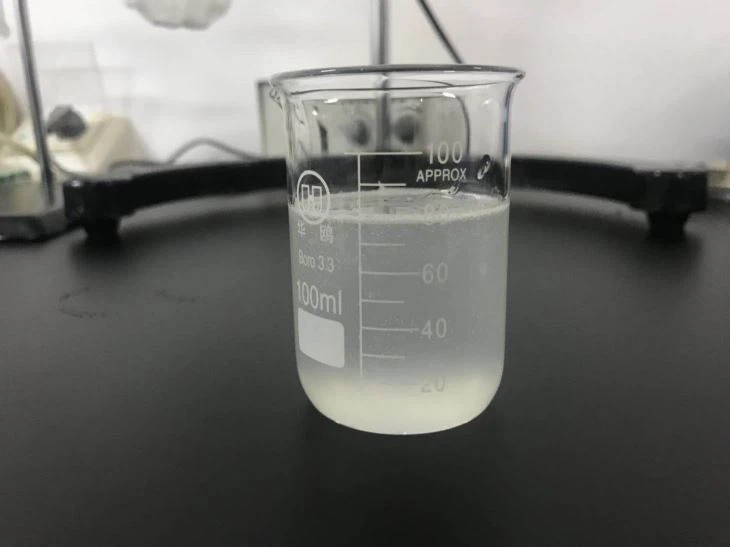
APG 1214 (APG1200UP) Chemical description C12 - C16 fatty alcohol glucoside Labeling information INCI name: Lauryl Glucoside CAS-No.: 110615-47-9 Product properties Appearance: slightly cloudy and viscous liquid Physical properties: Solid Content(%) 50.0-52.0 Water (wt %) 48.0-50.0 pH...
Caprylyl/Decyl Glucoside APG215 CS UP
APG 0810H65 (APG 215 CS UP) Chemical description Aqueous solution of alkyl polyglucosides based on a fatty alcohol C8 - C10 Labeling information INCI name: Caprylyl/Decyl Glucoside CAS-No.: 68515-73-1 Synonyms: Decyl Glucoside Product properties Appearance Light yellow viscous...
Caprylyl/Decyl Glucoside APG 8170
APG 0810H70 Chemical description Aqueous solution of alkyl polyglucosides based on a fatty alcohol C8 - C10 Labeling information INCI name: Capryl Glucoside CAS-No.: 68515-73-1 Synonyms: Decyl Glucoside Product properties Appearance light yellow liquid Physical properties Solid...
What Is Caprylyl/Decyl Glucoside APG 8170
Caprylyl/Decyl Glucoside APG 8170, also recognized as caprylyl glucoside, is a natural-origin, vegetable-based surfactant derived from corn and natural oils. This substance appears as a clear to light-yellow, viscous liquid. Classified as a glucose alkyl ether, it boasts 60% active matter and carries ECOCERT certification, signifying it is preservative-free and impurity-free.
Caprylyl/Decyl Glucoside APG 8170 serves as a mild cleanser in cosmetic formulations, suitable for sensitive skin. It enhances the foaming properties of skincare and haircare products and functions as an emulsifier, enabling the mixture of water and essential oils. This surfactant can integrate dense oils, such as carrier oils, into your product. It is utilized at a maximum concentration of 40%, with concentrations of 10-20% in face washes and 15-30% in shower gels and shampoos.
Beyond its role as a gentle cleansing surfactant in skincare products, Caprylyl/Decyl Glucoside APG 8170 is also a potent solubilizing agent for essential oils, fragrances, and cationic surfactants. Its versatility makes it an ideal choice for formulating foaming aromatherapy products.
What Does Caprylyl/Decyl Glucoside Apg 8170 Do In Aformulation?:

Properties of Caprylyl/Decyl Glucoside APG 8170:
-
Mild, low-toxic, low-irritating
How To Use Caprylyl/Decyl Glucoside APG 8170

How To Use Caprylyl/Decyl Glucoside APG 8170 is ones of the easiest surfactants to work with and mixes simply with water and other surfactants to create lovely Shower Gel, Shampoos and Face Washes with just simple agitation.
How To Use Caprylyl/Decyl Glucoside APG 8170 can also be added to cream and cleanser bases to add foaming ability. Simply add to the cold process ingredients.
Caprylyl/Decyl Glucoside APG 8170 When blending always take the following precautions:

Caprylyl/Decyl Glucoside APG 8170, a novel non-ionic surfactant, blends the essence of medium-chain fatty alcohol (such as octyl alcohol and decyl alcohol) with glucose, exhibiting exceptional cleaning performance. Its uniquely designed molecular structure allows it to penetrate skin textures, effectively removing oil, dirt, and cosmetic residues while preserving the skin's natural oil barrier. Compared to traditional surfactants, APG 8170 has a pH value close to human skin, reducing irritation.
Eco-friendly Biodegradability
With a biodegradability rate exceeding 99%, APG 8170 rapidly decomposes into harmless substances in the natural environment, significantly reducing environmental impact. Choosing APG 8170 over traditional surfactants signifies adopting an eco-conscious lifestyle.
APG 8170 remains stable within a pH range of 3-12 and a temperature range of -10 degree to 60 degree , thanks to its stable molecular structure. Its unique chemical structure renders it impervious to changes in pH or temperature, making it suitable for various formula systems while maintaining cleaning effectiveness and stability. Additionally, its good hard water resistance lowers formulation costs and enhances product competitiveness.
APG 8170 produces a fine foam that rinses easily, reducing water usage and improving cleaning efficiency. Compared to traditional products, rinsing time is reduced by approximately 25%, while cleaning effectiveness is ensured.
Long-lasting Antibacterial Protection for Health
APG 8170 also possesses antibacterial properties, effectively inhibiting the growth of common bacteria and fungi, adding a layer of health protection to cleansing products. This characteristic is particularly important in personal hygiene care products like hand sanitizers and body washes, which can help reduce the spread of germs during daily cleansing. APG 8170 achieves an antibacterial rate of over 95%, providing users with additional safety assurance.
Derived from renewable sources such as fatty alcohols and vegetable-based glucose, LCaprylyl/Capryl Glucoside serves as a mild, solubilizing non-ionic surfactant. This glucose alkyl ether comprises 60% active matter and meets ECOCERT standards, offering a preservative-free and impurity-free solution. As an ultra-gentle, natural cleansing and solubilizing agent, it introduces a luxurious 'green' touch to any formulation.
1.Provides mild cleansing properties
2.Gentle on the scalp/skin
3.When in contact with water it creates a gentle lather
4.Vegetable-based (Coconut, Palm, Corn)
5.ECOCERT Compliant!

Caprylyl/Decyl Glucoside APG 8170 Handling Note
At Jeslyee Chemicals, our staff is committed to excellence in all aspects of our business. Our sales associates are experienced and knowledgeable, providing support to all our clients. Technical service is a key component for the continuous growth of Jeslyee Chemicals. We can offer suggestions, solutions, product samples, as well as any required documents, and you will find a reliable partner in the surfactants field. Our values include dedicating ourselves to our clients' success and innovation through thoughtful practices and building long-term relationships with suppliers and customers.
It's a natural product that's both safe and good for your skin. It is non-irritating to the skin and has no negative effects.
Caprylyl/Capryl Glucoside (INCI) D-Glucopyranose, Oligomeric, Decyl, Octyl Glycoside.
Populære tags: caprylyl/decyl glucoside apg 8170, China caprylyl/decyl glucoside apg 8170 manufacturers, suppliers, factory


